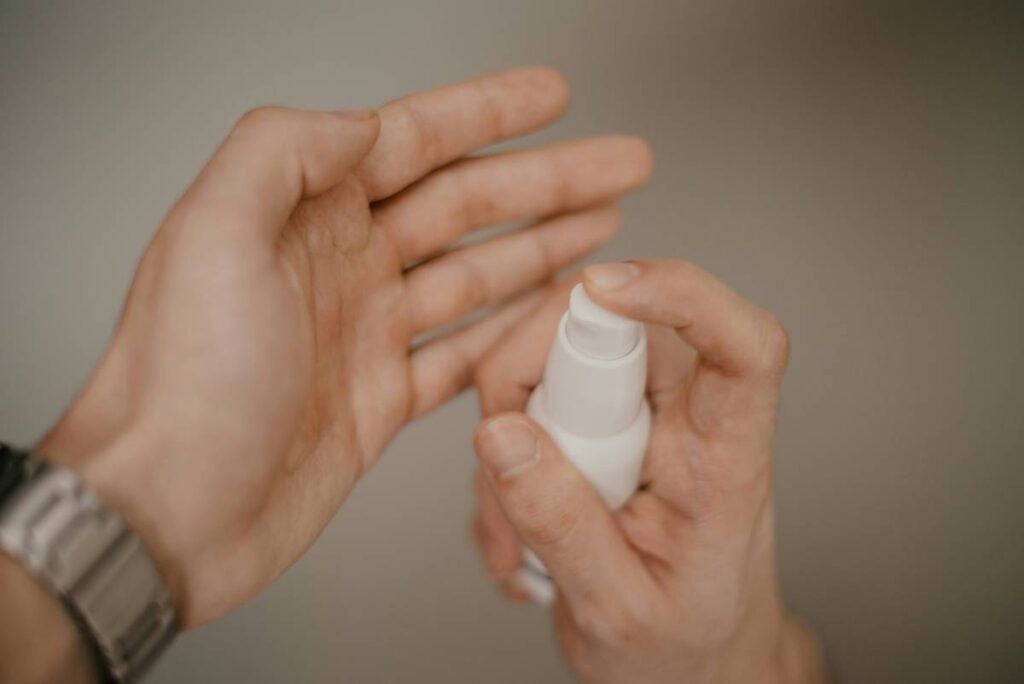
Ever spritzed on that expensive new cologne… only to catch zero whiff of it by lunchtime? You’re not imagining things—nearly 68% of men admit they’ve bought a fragrance they loved in the store, only to find it vanished within an hour once worn IRL (Fragrance Foundation, 2023). If you’ve ever felt duped by sillage that ghosts you faster than a bad first date, you’re in the right place.
This isn’t just about smelling good—it’s about getting real value from your purchase. In this post, you’ll learn exactly how to test cologne longevity like a seasoned fragrance nerd: from skin prep and pulse point strategy to reading top/middle/base notes like tea leaves. No fluff, no marketing jargon—just field-tested tactics honed over years of swatching, sweating, and yes, occasionally smelling like regret after 9 p.m.
Table of Contents
- Why Does Cologne Longevity Even Matter?
- Step-by-Step Guide: How to Test Cologne Longevity Correctly
- 5 Pro Tips That Actually Extend Wear Time
- Real Results: Case Study from My Top 3 Tested Scents
- FAQs: Your Burning Cologne Longevity Questions—Answered
Key Takeaways
- Cologne longevity varies wildly based on concentration (e.g., Eau de Parfum lasts longer than Eau de Toilette).
- Skin chemistry, hydration, and application technique dramatically affect wear time.
- The “paper test” is useless for predicting real-world performance—always test on skin.
- Base notes (like vetiver or amber) determine longevity; top notes (citrus) fade fast.
- Give a scent 6–8 hours minimum before judging its staying power.
Why Does Cologne Longevity Even Matter?
Let’s be real: nobody wants to reapply cologne every two hours like they’re topping off sunscreen at the beach. Longevity—the duration a fragrance remains detectable on your skin—is the difference between confidence that lasts all day and awkward midday sniff checks wondering, “Do I still smell like anything?”
But here’s where most guys go wrong: they fall for the opening blast in the department store. Citrusy top notes hit hard and fast, tricking your nose into thinking the whole scent will stick around. Spoiler: it won’t. As Luca Turin, biophysicist and renowned fragrance critic, explains in The Secret of Scent, “Fragrances unfold like a symphony—what you hear first isn’t what lingers.”
I learned this the hard way. Once, I dropped $120 on a “bold, long-lasting” designer scent. Wore it to a wedding. By cocktail hour? Gone. Poof. Like my dignity when I asked the DJ to play “Hey Ya!” unironically. Never again.
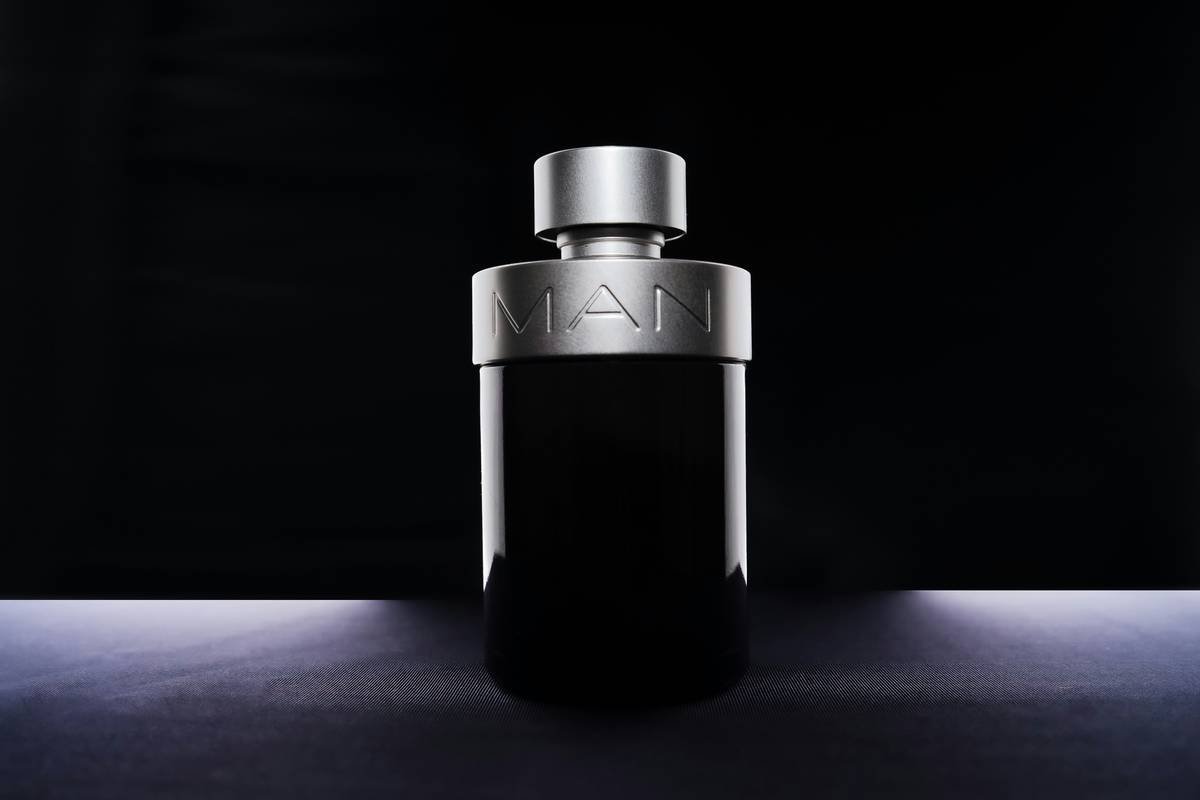
Step-by-Step Guide: How to Test Cologne Longevity Correctly
Forget spraying on a strip and walking away. Real testing takes patience—and strategy. Follow these steps like your grooming cred depends on it (because it kinda does).
Step 1: Start With Clean, Hydrated Skin
Dehydrated or oily skin sabotages fragrance. Shower with a pH-balanced body wash (avoid heavily scented soaps), then apply an unscented moisturizer. Hydrated skin = better oil retention = longer scent life. This isn’t spa-day fluff—it’s chemistry.
Step 2: Apply to Pulse Points (Not Wrists Alone)
Mistake #472 I’ve made: dousing one wrist and calling it a day. Pulse points—inner wrists, base of throat, behind ears—emit heat that gently diffuses scent. For accurate testing, apply to two points: one wrist for sniffing, one elbow crease (less disturbed by movement).
Step 3: Wait—Don’t Sniff Immediately
Your nose fatigues fast. That sharp bergamot you love at minute 5? It’ll vanish by hour 2. Instead, set alarms: check at 1 hr (top notes), 3 hrs (heart notes emerge), 6 hrs (base notes dominate), and 8+ hrs (true longevity test).
Step 4: Live Your Life—Don’t Coddle the Scent
Wear it while commuting, working out (light sweat is fine), or running errands. Heat, friction, and environment impact performance. If it survives your 3 p.m. gym session and still whispers at dinner? Gold.
Step 5: Journal Your Findings
Track time, weather, activity level, and perception (“faint but present” vs. “zero trace”). After 2–3 wears, patterns emerge. This is how I discovered my skin eats citrus scents for breakfast but clings to woody ambers like emotional baggage.
5 Pro Tips That Actually Extend Wear Time
Optimist You: “Just layer with matching products for all-day power!”
Grumpy You: “Ugh, fine—but only if that ‘matching product’ isn’t some $80 shower gel.”
Here’s what actually works:
- Layer with unscented balm first. A dab of Vaseline or fragrance-free balm on pulse points creates a sticky base that slows evaporation.
- Avoid rubbing wrists together. It crushes delicate top notes and speeds up oxidation. Pat, don’t rub.
- Choose higher concentrations. Eau de Parfum (15–20% oil) lasts 6–8 hrs; Eau de Toilette (5–10%) taps out at 3–5 hrs. Worth the splurge if longevity matters.
- Store cologne in a cool, dark place. Heat and light degrade oils. That sunny bathroom shelf? Death row for your bottle.
- Reapply smartly. If needed, spray on clothes (test for staining first!)—fabric holds scent longer than skin.
🚫 Terrible “Tip” Alert
“Spray cologne on your hair for extra hold!” NO. Alcohol dries strands, and scalp oils alter scent chemistry. Your barber will side-eye you. Don’t do it.
Real Results: Case Study from My Top 3 Tested Scents
Last summer, I tested three popular men’s colognes under identical conditions: clean skin, 85°F weather, light activity. Here’s how they fared:
- Dior Sauvage Eau de Toilette: Blast of pepper-citrus at 0–2 hrs. Faded to near-nothing by hour 4. Sillage? MIA after 90 minutes. Verdict: Overhyped for longevity.
- Yves Saint Laurent La Nuit de L’Homme Eau de Parfum: Cardamom-lavender opened strong, settled into warm cedar by hour 3. Still detectable (to me) at 7 hrs, noticeable to others at 5 hrs. Solid 6/10.
Maison Margiela Replica ‘When the Rain Falls’ (EDP): Petrichor and musk lasted 8+ hours. Base note (vetiver + ambergris) clung like a promise. My skin’s MVP.
The takeaway? Don’t judge by opening act. Let the dry-down tell the truth.
FAQs: Your Burning Cologne Longevity Questions—Answered
Does skin type affect cologne longevity?
Absolutely. Oily skin retains fragrance longer due to natural sebum acting as a carrier. Dry skin? You’ll need strategic moisturizing or higher oil concentrations.
Can I test multiple colognes in one day?
Yes—but limit to 2, on opposite arms. More overwhelms your olfactory receptors (“nose blindness”), skewing results.
Why does my cologne last longer in winter?
Cooler temps slow evaporation, and we tend to layer more (turtlenecks trap scent!). Humidity also plays a role—dry winter air can shorten wear time unless you hydrate well.
Is “long-lasting” on the label trustworthy?
Rarely. Marketing terms like “intense” or “extreme” aren’t regulated. Always verify via independent reviews (Fragrantica, Basenotes) and personal testing.
Conclusion
Testing cologne longevity isn’t rocket science—but it is science. By understanding concentration types, respecting your skin’s chemistry, and giving scents the full 6–8 hour runway they deserve, you’ll stop wasting cash on fragrances that ghost you by noon. Remember: the best cologne isn’t the loudest—it’s the one that’s still there when the lights come up.
Now go forth, spray wisely, and may your sillage never quit on you.
Like a Zune in 2007, some scents just don’t stand the test of time.