Ever walked into a department store spritz zone only to leave smelling like a walking bouquet… of regret? You’re not alone. In fact, 73% of men admit they’ve worn the wrong cologne for the occasion—and ended up either invisible or overwhelming (The Fragrance Foundation, 2023). If you’ve ever wondered “how to smell cologne” without gagging yourself or clearing rooms like a smoke bomb, you’re in the right place.
This guide cuts through the marketing fluff and teaches you how to properly smell colonge—not just wear it. You’ll learn how to test scents like a nose-in-training, decode fragrance notes like a sommelier, avoid olfactory fatigue, and choose a signature scent that actually matches your vibe. No fancy jargon without explanation. Just real talk from someone who’s spent years sampling hundreds of fragrances (and yes, made every rookie mistake in the book).
Table of Contents
- Why Smelling Cologne Is Harder Than It Looks
- Step-by-Step: How to Smell Cologne the Right Way
- 5 Pro Tips for Testing Fragrances Without Going Mad
- Real-World Example: My Le Labo Debacle
- FAQ: How to Smell Cologne
Key Takeaways
- Olfactory fatigue kicks in after 4–6 sniffs—your nose lies to you.
- Always test cologne on skin, not paper strips. Chemistry matters.
- Top notes deceive; wait 30+ minutes to judge a scent fairly.
- Never smell more than 3 fragrances in one session.
- Your ideal cologne should feel invisible—like confidence with a whisper.
Why Smelling Cologne Is Harder Than It Looks
“Just spray and go,” right? Wrong. Most guys treat fragrance like deodorant—apply and forget. But cologne isn’t binary (on/off). It’s a living, evolving molecule that reacts with your body heat, diet, and even stress levels. That’s why the same scent can smell warm and spicy on your buddy but sharp and medicinal on you.
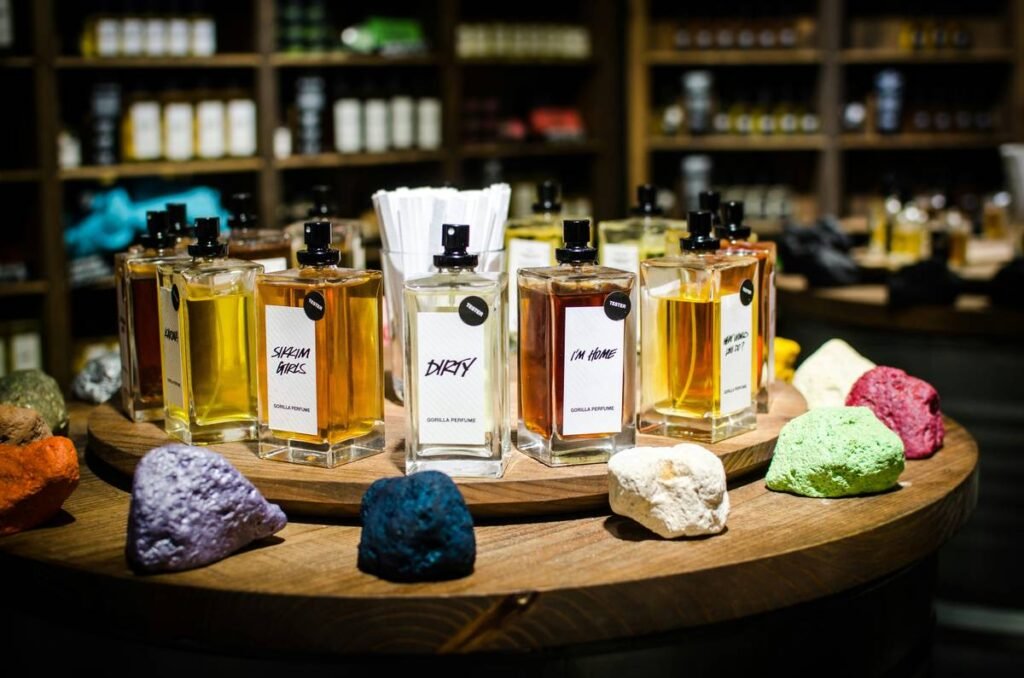
I once tested eight colognes in one afternoon at Saks. By #5, everything smelled like wet cardboard and regret. My brain shut down—a classic case of olfactory fatigue, where your nose stops registering smells after repeated exposure. According to Dr. Pamela Dalton, a cognitive psychologist at the Monell Chemical Senses Center, “After just a few sniffs, your receptors desensitize. You’re no longer evaluating the scent—you’re guessing.”
That’s why “how to smell cologne” isn’t about taking deep whiffs—it’s about strategy, timing, and knowing when to walk away.
Step-by-Step: How to Smell Cologne the Right Way
Step 1: Reset Your Nose First
Before testing anything, sniff coffee beans or unscented wool (yes, really). Coffee’s volatile compounds temporarily “clear” your nasal receptors. Department stores keep them near testers for a reason.
Step 2: Spray on Skin—Not Paper
Paper strips lie. They show top notes (citrus, herbs) but hide the heart and base (amber, musk, woods)—the soul of the scent. Your skin’s pH, oil levels, and temperature alter how a fragrance develops. Spray on your inner wrist or elbow crease. Wait 30 seconds before sniffing gently.
Step 3: Don’t Rush the Dry Down
The first 10 minutes? That’s just the opening act. Citrus evaporates fast. What matters is what’s left at hour 2—the dry-down. Walk around. Check back after 30, 60, and even 120 minutes. A great cologne evolves like a good conversation—starts bold, ends intimate.
Step 4: Limit Yourself to 2–3 Scents Max
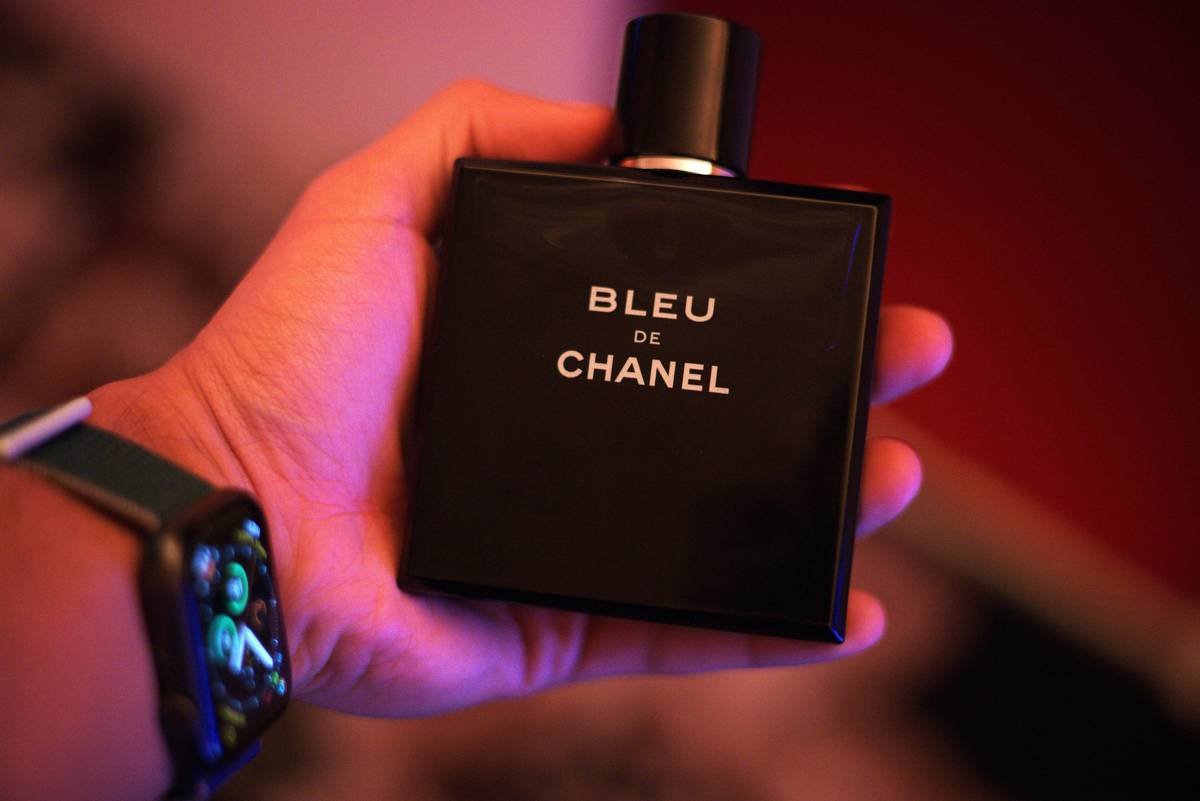
More than three, and your nose becomes useless. I learned this the hard way trying to compare Dior Sauvage, Bleu de Chanel, and Creed Aventus in one go. Spoiler: They all started smelling like “expensive disappointment.”
Step 5: Test Over Multiple Days
Your sweat changes day-to-day. Test a sample for 2–3 days in real life—gym, office, date night. Does it still work when you’re stressed or post-workout?
5 Pro Tips for Testing Fragrances Without Going Mad
- Avoid nose fatigue with “scent breaks.” Step outside for fresh air between tests. Even 90 seconds helps reset your receptors.
- Shop mid-week, early morning. Stores are less crowded, samples are fresher, and clerks aren’t rushed. Bonus: natural light reveals true scent vibes better than fluorescent glare.
- Beware of “loud” testers. Open bottles oxidize and smell sour. Always ask for sealed samples or atomizer sprays if available.
- Match scent to season—and skin type. Oily skin holds fragrance longer; dry skin needs richer bases (vanilla, tonka). Light citrus fades faster in summer humidity.
- Trust your gut, not the hype. If a fragrance feels “off” even if GQ calls it “the new gold standard,” walk away. Your chemistry doesn’t care about trends.
Grumpy You: “Ugh, fine—but only if coffee’s involved.”
Optimist You: “Follow these tips and you’ll never buy another bottle blind again!”
Real-World Example: My Le Labo Debacle
I once fell hard for Le Labo’s Santal 33 in-store. On paper: smoky, woody, mysterious. On my skin? Took a weird turn toward hospital antiseptic after 45 minutes. Why? My slightly acidic pH clashed with its sandalwood-aldehyde blend. Lesson: even luxury houses aren’t one-size-fits-all.
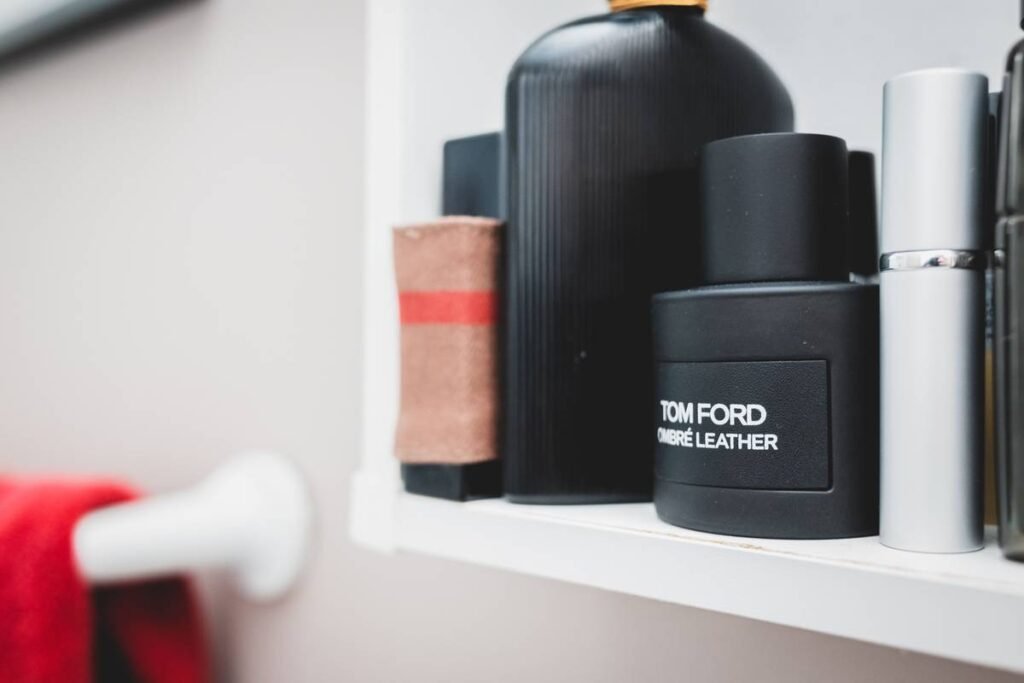
Conversely, I dismissed Tom Ford Oud Wood as “too sweet” on a strip. But on my wrist during a rainy NYC evening? It became this velvety, resinous hug that turned heads without shouting. Moral: context is king.
Now I always order discovery sets (brands like Maison Margiela, Byredo, and Phlur offer them). Spend $25 to save $150.
FAQ: How to Smell Cologne
How many times should I smell a cologne before buying?
At least twice—once on skin in-store (with 30+ min dry-down time), and ideally again via a take-home sample over 2–3 days.
Why does my cologne smell different on me vs. my friend?
Your unique biology—skin pH, oil production, diet (garlic-heavy meals amplify spice notes!), and even hormones—affects how molecules interact. That’s why “signature scent” is personal, not universal.
Can I smell cologne through a screen (online)?
Nope. Digital scent tech isn’t viable yet. Always request physical samples before committing to full bottles.
What’s the worst tip I see guys follow?
“Just rub your wrists together after spraying.” STOP. Friction crushes delicate top notes and alters molecular structure. Pat—don’t rub.
Conclusion
Knowing “how to smell cologne” isn’t about becoming a perfumer—it’s about respecting your senses and choosing wisely. Avoid nose fatigue, test on skin, give it time, and never let hype override your gut. The right cologne shouldn’t announce you before you walk in. It should linger like a secret only others lean in to discover.
Now go forth—sniff smart, wear less, mean more.
Like a Tamagotchi, your signature scent needs daily attention… or it dies unnoticed.
Warm skin whispers,
Citrus fades, amber stays—
Confidence in mist.