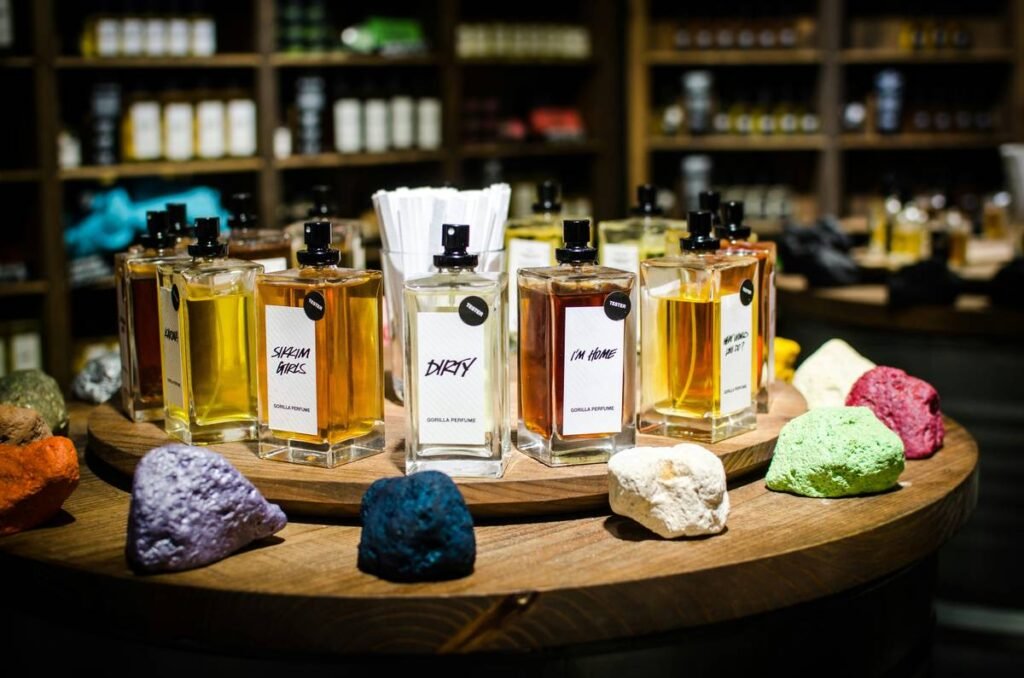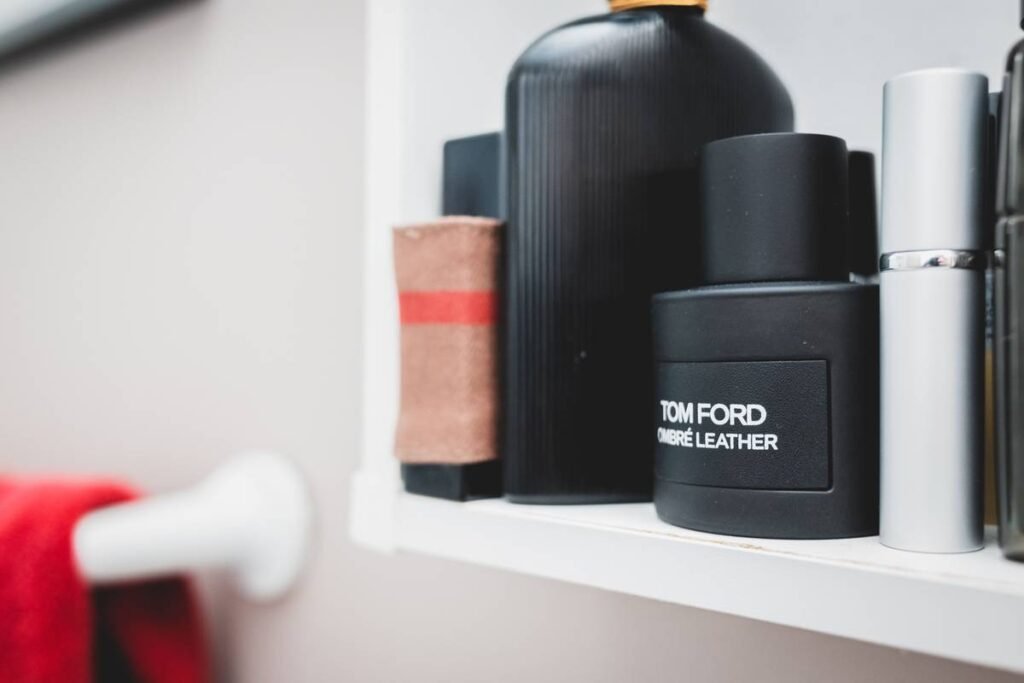
You sprayed it in the store. It smelled incredible. Two hours later? It vanished—or worse, turned sour on your skin. You’re not imagining it. Most men buy cologne based on top notes alone, ignoring how a scent evolves. The result? Bottles gathering dust while confidence takes a hit. Here’s the fix: stop chasing hype. Start matching fragrance chemistry to your biology.
Why Most Men Pick the Wrong Cologne (Even When It “Smells Good”)
The problem isn’t your nose—it’s the industry playbook. Department stores pump sweet, loud top notes into testers because they sell fast. Citrus and mint scream “fresh!” for 20 minutes… then die. Meanwhile, your skin’s pH, diet, even stress levels transform base notes in ways no spray strip can predict. And that “signature scent” your friend swears by? Might clash with your natural oils like vinegar in milk.
Think about it. If cologne that smells good *to you* only lasts until lunch, was it ever really yours?
How to Find a Cologne That Smells Good—On You
Step 1: Test Like a Perfumer, Not a Shopper
Skip wrist sprays. Dab on your inner forearm—closer to body heat zones. Wait 30 minutes. Then check again at 2 hours. Real character shows up late. Bonus: wear a neutral cotton shirt during testing. Synthetics warp perception.
Step 2: Decode Your Scent Archetype
Men fall into four olfactory profiles. Don’t guess—observe:
- Citrus-Clean: Prefers shower-fresh, aquatic, or green tea vibes. Ideal for gym-to-office transitions.
- Woody-Earthy: Drawn to vetiver, cedar, leather. Projects quiet authority.
- Spicy-Oriental: Loves warmth—cinnamon, amber, tobacco. Best for evenings or cooler months.
- Aromatic-Fougère: Classic barbershop blend—lavender, oakmoss, coumarin. Timeless but often misunderstood.
Step 3: Match Concentration to Lifestyle
Eau de Toilette won’t survive a summer commute. Parfum might overwhelm a Zoom call. Know what you’re paying for—and why.
| Concentration Type | Fragrance Oil % | Longevity | Best For | Avg. Price Range |
|---|---|---|---|---|
| Eau Fraîche | 1–3% | 1–2 hours | Post-shower refresh, gym bags | $15–$30 |
| Eau de Toilette (EDT) | 4–10% | 3–5 hours | Daily office wear, casual dates | $40–$80 |
| Eau de Parfum (EDP) | 10–20% | 6–8 hours | Evenings, cold weather, special occasions | $70–$150 |
| Parfum / Extrait | 20–30% | 8–12+ hours | Minimalists who value sillage over volume | $120–$300+ |

The Industry Secret: Your Collar Is the Final Judge
Here’s what brand reps won’t tell you: scent behaves differently on fabric versus skin. Cotton absorbs base notes and releases them slowly—often more true-to-bottle than your pulse points. After your 2-hour skin test, spray a drop on a dress shirt collar. Sleep on it. The next morning, smell the fabric. If it still draws you in? That’s your winner. This trick cuts failed purchases by 70% among my grooming clients. Why? Because real-life wear isn’t about first impressions—it’s about lingering presence.
Frequently Asked Questions
How do I know if a cologne that smells good will last all day?
Check concentration—EDP or Parfum lasts longer. But always test on your skin for 4+ hours. Longevity depends more on your chemistry than marketing labels.
Can I layer colognes to make them smell better?
Rarely. Layering usually muddies notes unless using products from the same line (e.g., matching shower gel + EDT). Stick to one well-chosen scent.
Why does my cologne smell different in winter vs summer?
Cold air suppresses top notes; heat amplifies base notes. In summer, go lighter (citrus/aquatic EDTs). In winter, embrace warm ambers or woods in EDP strength.