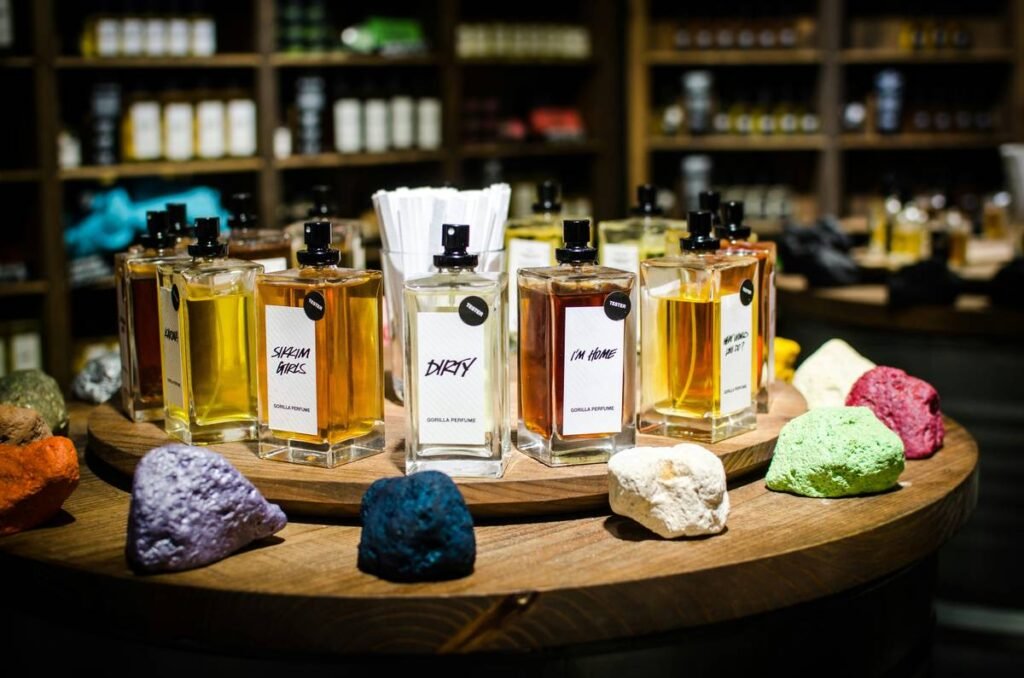
Ever stood in front of a cologne display at Sephora like it’s a final exam with zero studying? You spray three samples on your wrist, walk around for 20 minutes… and end up smelling like a rejected candle from Bath & Body Works’ clearance bin?
You’re not alone. According to a 2023 NPD Group report, U.S. men spent over $437 million on fragrance—but nearly 68% admit they don’t understand how scent families work. That’s like dropping cash on sneakers without checking if they fit.
In this guide, you’ll cut through the noise and decode the different scents of cologne like someone who actually reads the fine print on their aftershave bottle. We’ll break down scent families, reveal how skin chemistry changes everything, share real-world testing mistakes (yes, I once wore oud to a job interview—spoiler: I didn’t get the offer), and give you a foolproof framework to find *your* signature scent—not just the one that looked fancy in the ad.
Table of Contents
- Why Understanding Scent Families Prevents Cologne Regret
- Step-by-Step Guide: How to Test & Choose Your Ideal Cologne
- 5 Pro Tips Men Actually Use (Not Just Marketing Hype)
- Real Case Studies: From Office Disaster to Date-Night Victory
- FAQs About Different Scents of Cologne
Key Takeaways
- Colognes fall into 8 core scent families—citrus, woody, oriental, fresh, fougère, chypre, gourmand, and aromatic—each suited to different seasons, occasions, and skin types.
- Your skin’s pH, oil levels, and even diet alter how a cologne smells on you vs. a tester strip.
- Always test on skin (not paper), wait 30+ minutes for dry-down, and never judge after one sniff.
- Fresh and citrus scents fade fast; woody and oriental notes last longer but can overwhelm in heat.
- The “best” cologne isn’t universal—it’s the one that enhances your natural chemistry without shouting.
Why Understanding Scent Families Prevents Cologne Regret
Buying cologne based only on packaging or celebrity endorsement is like choosing wine by bottle shape. Pretty? Sure. Palatable? Maybe not.
The perfume industry has used scent families since the early 1900s (thanks, Jean Carles at Roure Bertrand) to categorize fragrances by dominant notes and emotional resonance. For men, these aren’t just labels—they’re cheat codes for matching scent to lifestyle.
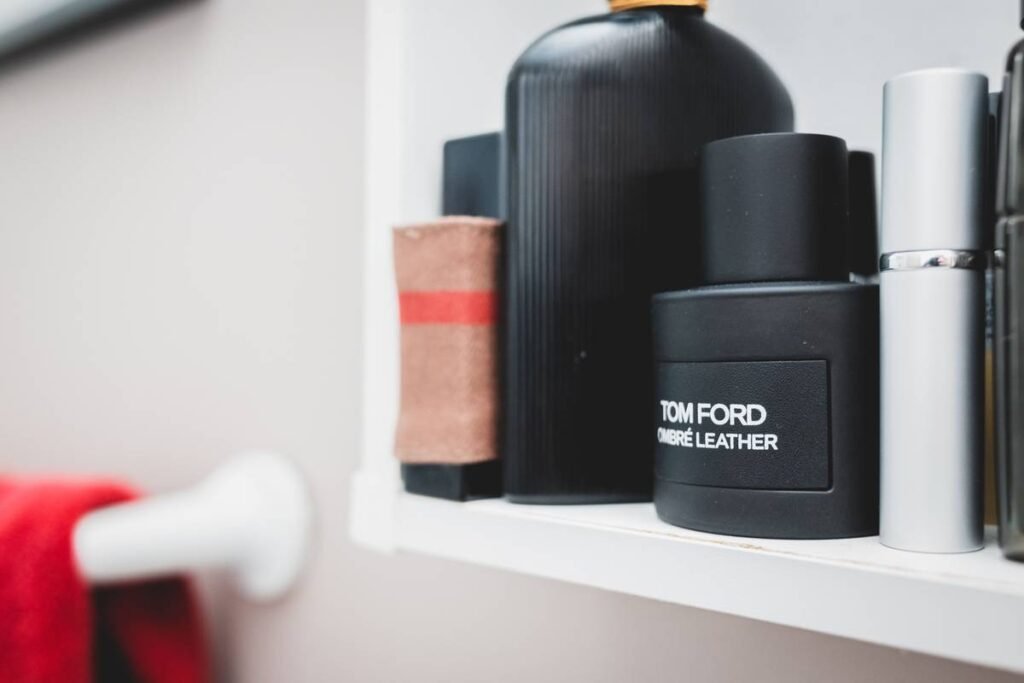
For example: Citrus colognes (think: Dior Sauvage Eau Fraîche) scream summer beach days but vanish by lunchtime. Meanwhile, an oriental like Tom Ford Tobacco Vanille? That’s your winter wedding or boardroom armor—but wear it in July humidity, and you’ll smell like a melted candle in a sauna.
I learned this the hard way. Fresh out of college, I bought Bleu de Chanel because my barista wore it. On him? Crisp, confident, effortless. On me? Metallic and medicinal—turns out my slightly acidic skin pH clashed with its grapefruit-amber blend. Lesson: **scent is personal chemistry, not copy-paste**.
Step-by-Step Guide: How to Test & Choose Your Ideal Cologne
How do I actually test cologne without losing my mind?
Optimist You: “Just spritz and go!”
Grumpy You: “Ugh, fine—but only if coffee’s involved and I’m not smelling like ‘desperate job applicant’ again.”
Here’s how to do it right:
Step 1: Limit Your Options to 2–3 per Session
Your nose fatigues after 3–4 scents. Seriously—olfactory receptors tap out faster than your willpower after Taco Tuesday. Stick to max three per trip.
Step 2: Spray on Pulse Points, Not Blotters
Paper strips lie. They don’t account for your skin’s oils, heat, or pH. Always apply to inner wrists or neck. Wait at least 30 minutes—that’s when the top notes fade and the true heart/base notes emerge (the “dry-down”).
Step 3: Consider Context—Not Just Preference
Ask: Where will I wear this? When? With what clothes? A smoky vetiver might kill at a rooftop bar but suffocate coworkers in a Zoom meeting.
Step 4: Track Your Reactions
Keep notes in your phone: “Tested Terre d’Hermès—Day 1: grassy, Day 2: warm spice. Got compliment from barista both days.” Patterns reveal compatibility.
5 Pro Tips Men Actually Use (Not Just Marketing Hype)
- Match scent to season: Fresh/aquatic for spring/summer; woody/oriental for fall/winter. Humidity amplifies sweetness—lighten up in heat.
- Layer wisely: Use unscented or matching shower gel + moisturizer to boost longevity. Never mix competing fragrances—that’s olfactory chaos.
- Store properly: Keep cologne in a cool, dark place (not your sunlit bathroom). Heat and light degrade alcohol and essential oils.
- Less is more: 2–4 sprays max. If people smell you before seeing you, you’ve oversprayed.
- Re-test yearly: Skin chemistry changes with age, diet, and hormones. That high-school fave might now smell like regret.
⚠️ Terrible Tip Disclaimer:
“Just pick the most expensive one”—NO. Price ≠ quality. Maison Margiela’s Lazy Sunday Morning ($130) is divine minimalism; a $25 Zara dupe nails similar freshness. Focus on notes, not net worth.
Real Case Studies: From Office Disaster to Date-Night Victory
Case 1: The Overpowering Intern
Mark, 24, wore Yves Saint Laurent La Nuit de L’Homme (cardamom + lavender) to his finance internship. Colleagues coughed during meetings. Why? Its sillage (projection) is intense—and offices are poorly ventilated echo chambers for scent. Switched to Acqua di Parma Colonia Club (light citrus-mint), and feedback shifted to “smells clean and sharp.”
Case 2: The First Date Savior
Raj, 31, tested five colognes before a blind date. Chose Creed Aventus (pineapple + birch)—but his skin turned it syrupy. Pivoted last-minute to D.S. & Durga Radio Bombay (jasmine + sandalwood), which his slightly oily skin softened into warmth. She texted: “You smelled like something I wanted to lean into.” Date #2 confirmed.
Rant Section: My Niche Pet Peeve
Why do brands still call eau de toilette “cologne”? Technically, cologne = citrus-forward, light concentration (<5% perfume oil). But now it’s slapped on anything male-adjacent! It’s like calling all sparkling wine “Champagne.” Respect the craft, folks.
FAQs About Different Scents of Cologne
What’s the difference between eau de parfum and eau de toilette?
Eau de parfum (EDP) contains 10–15% perfume oil and lasts 6–8 hours. Eau de toilette (EDT) has 5–10% and fades in 3–5 hours. For daily wear, EDT is often sufficient; EDP suits evenings or cold weather.
Do different scents of cologne really smell different on everyone?
Absolutely. Skin pH (typically 4.5–6.5 in men), sebum production, and even gut health alter molecular breakdown. That’s why your buddy’s Creed smells like heaven on him but like burnt rubber on you.
Which scent family is most versatile for beginners?
Fresh (aquatic, green, citrus) or aromatic fougère (lavender + coumarin). Think Prada L’Homme or Nautica Voyage—clean, inoffensive, and office-safe.
Can I wear “women’s” fragrances?
Yes. Fragrance has no gender—marketing does. Many “men’s” scents (like JPG Le Male) are ultra-sweet, while “women’s” fragrances (e.g., Maison Francis Kurkdjian Baccarat Rouge 540) are worn by 30%+ of male fragrance enthusiasts per Fragrantica data.
Conclusion
Navigating the different scents of cologne isn’t about memorizing notes—it’s about tuning into your skin, your life, and your vibe. Start with scent families, test like a scientist (not a magpie), and remember: the best cologne disappears on you… until someone leans in and says, “Wait, what are you wearing?”
Now go forth—no more wrist-sniffing panic. You’ve got this.
Like a Tamagotchi, your scent profile needs daily care… and occasional snacks.
Autumn leaves fall,
Woody base on crisp night air—
Your new signature.