Most men pick cologne like they’re grabbing socks in the dark—whatever’s closest, cheapest, or pushed hardest by influencers. The result? You smell like every other guy at the bar. Generic. Forgettable. Worse—you might even trigger headaches (yours or theirs). But here’s the fix: stop chasing “top notes” and start building a scent profile that actually fits your skin, lifestyle, and confidence. No fluff. Just strategy.
Why 90% of Men Choose the Wrong Cologne
Department store testers lie. They’re doused on cardboard strips or sprayed into open air—nothing like how fragrance reacts with your body chemistry. And those influencer “best of” lists? Often paid placements. Not science.
You don’t need more options. You need better filters. Most guys default to loud, sweet designer scents because they’re loud enough to notice in a mall. But real presence isn’t volume—it’s nuance. A fine cologne for men should evolve, not shout.
How to Pick a Fine Cologne for Men That Actually Works
Forget impulse buys. Build your selection like a tailor builds a suit—measured, intentional, personal.
Step 1: Know Your Skin Type
Oily skin holds fragrance longer but amplifies sweetness. Dry skin eats top notes fast—go for richer base notes like vetiver or leather. Test on your wrist, not paper. Wait 30 minutes. If it disappears, walk away.
Step 2: Match Scent to Season (Not Mood)
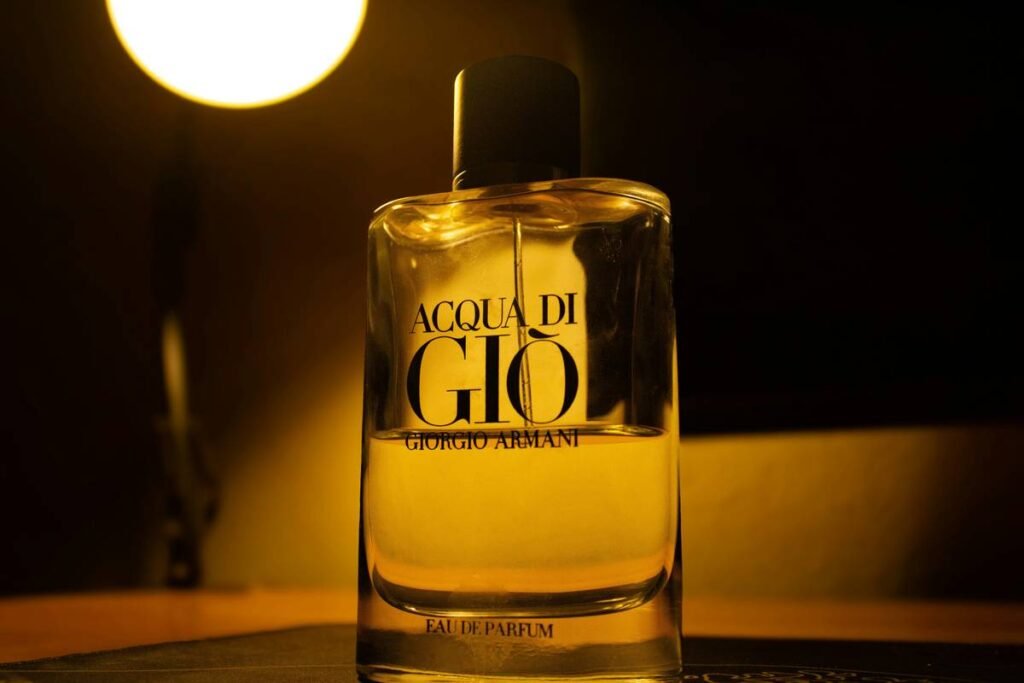
Citrus and aquatic scents fade fast in winter humidity. Woods and spices drown in summer heat. Don’t wear Santal 33 skiing. Don’t splash Acqua di Gio in a boardroom during a heatwave. Context is everything.
Step 3: Understand Concentration—Not Just Branding
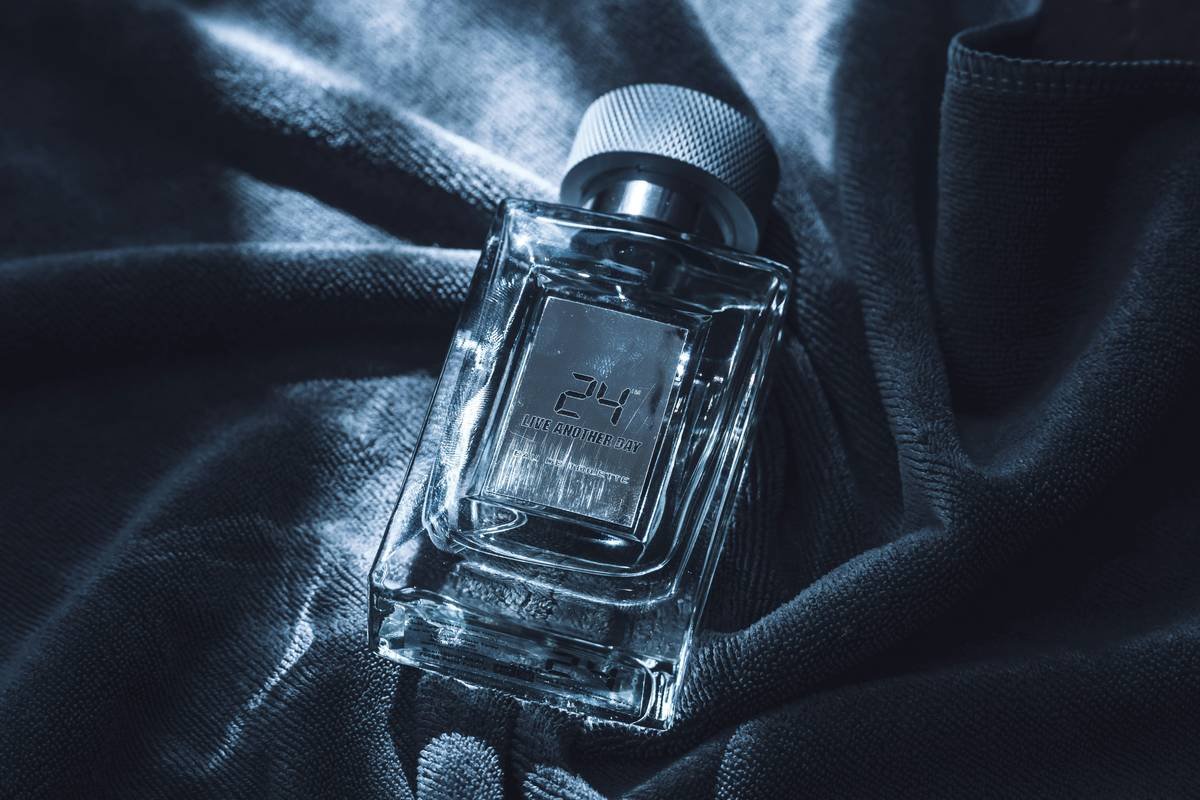
Eau de Toilette (EDT) ≠ cheap. It’s about oil concentration. A well-formulated EDT can outlast a poorly made Eau de Parfum (EDP). Check the ingredients list—not the logo.
| Fragrance Type | Best For | Average Longevity | Price Range (USD) |
|---|---|---|---|
| Citrus/Aquatic | Summer days, gym bags, casual Fridays | 2–4 hours | $30–$90 |
| Woody/Amber | Evenings, cold weather, date nights | 6–8 hours | $70–$180 |
| Aromatic Fougère | Office settings, year-round versatility | 4–6 hours | $50–$120 |
| Leather/Tobacco | Winter, formal events, bold personalities | 8+ hours | $100–$250 |
The Industry Secret Nobody Talks About
Niche houses aren’t just “expensive.” They’re engineered differently. Mainstream brands use synthetic musks to cut costs—they smell clean but flat. True fine cologne for men uses natural isolates: real bergamot oil, distilled patchouli, labdanum resin. The difference? Depth. Complexity. Longevity that doesn’t turn sour after hour three.
Here’s the reality: you pay more upfront—but you apply less, last longer, and never smell like the guy ahead of you in line. Think about it. One bottle of Maison Margiela Replica or Le Labo Santos lasts six months with daily wear. A drugstore EDT? Gone in six weeks—and you’ve reapplied twice a day.
And yes, some department store “designer” fragrances are literally identical to niche scents—same juice, different bottle. Insiders call it “shared juice contracts.” But good luck spotting them without a chromatography report.
FAQ
What’s the difference between cologne and eau de toilette for men?
Technically, “cologne” refers to a citrus-heavy, low-concentration formula. But in the U.S., marketers use “cologne” as a blanket term for any men’s fragrance. Check the concentration label—not the name.
How many sprays of fine cologne for men is too much?
Two. Pulse points only: wrists, inner elbows, maybe base of throat. If someone smells you before you enter the room, you’ve oversprayed. Fragrance should be discovered—not announced.
Can I layer different colognes?
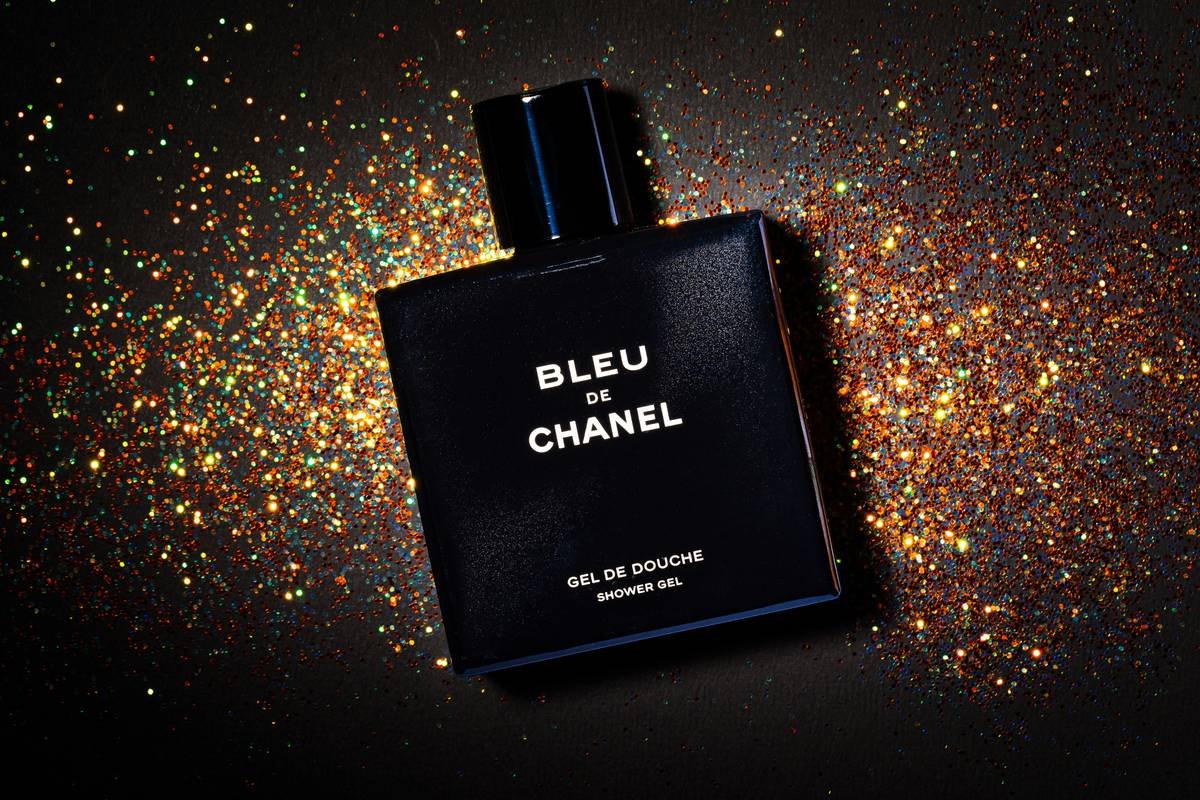
Rarely. Most clash unless designed as part of a system (like Dior’s Sauvage line). Better to own 3 distinct scents than try to Frankenstein one. Layering works best with unscented moisturizers or matching shower gels.