Ever stood in front of a department store counter, spritzed five colognes, and still walked out muttering, “Smells… nice?” You’re not alone. In fact, men’s fragrance sales surged 27% in 2021 (NPD Group)—yet most guys struggle to articulate what they actually smell. This post fixes that.
If you’ve ever described your signature scent as “woodsy” only to realize it’s actually leather, vetiver, and a whisper of bergamot… welcome. I’ve been there—wearing Terre d’Hermès like it was Old Spice. In this guide, you’ll learn how to break down cologne notes like a perfumer, avoid rookie scent-talking blunders, and speak the language that turns “smells good” into “damn, what are you wearing?”
Table of Contents
- Why Being Able to Describe Cologne Scent Actually Matters
- Step-by-Step: How to Deconstruct Any Cologne Scent
- 5 Best Practices for Talking About Fragrance (Without Sounding Like a Bot)
- Real Examples: From “Smells Like My Dad” to “A Midnight Forest After Rain”
- FAQs: Your Burning Questions About Describing Cologne Scent
Key Takeaways
- Cologne scents unfold in three layers: top, heart (middle), and base notes—each evolves over time.
- Use precise olfactory vocabulary (e.g., “amber,” “calone,” “oud”) instead of vague terms like “fresh” or “manly.”
- Avoid clichés (“sexy,” “strong”)—they reveal nothing about the actual composition.
- Always test on skin, not paper strips; body chemistry dramatically alters scent expression.
- Describing scent well builds confidence, helps you choose better fragrances, and impresses without trying.
Why Being Able to Describe Cologne Scent Actually Matters
Let’s be real: most men treat cologne like deodorant—something you slap on to not stink. But fragrance is one of the few grooming tools that broadcasts your presence before you say a word. And if you can’t describe what you’re wearing, you’re flying blind when shopping, gifting, or even dating.
I learned this the hard way. Years ago, I asked a barista what he was wearing because his scent stopped me mid-foam-art. He said, “Uh… something from Sephora? Smells clean?” I walked away frustrated—and bought four random bottles hoping to replicate it. Spoiler: none came close.
The truth? Describing scent accurately unlocks smarter purchases, avoids $120 regret buys, and lets you communicate your style nonverbally. According to The Fragrance Foundation, over 80% of purchasing decisions are influenced by how well a customer can imagine the scent—meaning your ability to “speak perfume” directly impacts your grooming ROI.
Step-by-Step: How to Deconstruct Any Cologne Scent
Perfumery isn’t magic—it’s architecture. Every cologne is built in three phases, each revealing different ingredients. Learn to isolate them, and you’ll never say “it just smells nice” again.
What Are Top Notes?
Optimist You: “These hit you first—bright, volatile, gone in 15 minutes!”
Grumpy You: “Ugh, fine—but if I have to smell lemon rind one more time…”
Top notes are your first impression: citrus (bergamot, lemon), herbs (basil, mint), or light fruits. They evaporate fast but set the mood. When describing, focus on sharpness, freshness, or zing.
What Are Heart (Middle) Notes?
After 15–30 minutes, the core personality emerges: florals (lavender, geranium), spices (cinnamon, cardamom), or green aromas (tea, galbanum). This layer lasts 2–4 hours and defines the scent family (e.g., fougère, chypre).
What Are Base Notes?
The dry-down. These linger 6+ hours: woods (sandalwood, cedar), resins (amber, labdanum), musks, or animalics (oud, leather). They’re deep, warm, and intimate—the “you” smell people remember at midnight.
Pro Tip: Smell your wrist every 20 minutes after application. Keep notes in your phone: “0 min: sharp grapefruit, 25 min: peppery lavender, 90 min: smoky vetiver.” You’ll build your personal scent lexicon fast.
5 Best Practices for Talking About Fragrance (Without Sounding Like a Bot)
Forget robotic jargon. Real scent talk is sensory, emotional, and specific—but grounded in accuracy.
- Ditch “Fresh” and “Clean”: These are marketing crutches. Is it aquatic (calone = oceanic), ozonic (rain-like), or aldehydic (soapy sparkle)? Be precise.
- Anchor to Memory: “Smells like my grandfather’s study” beats “woody.” Our brains recall scent via emotion—not molecules.
- Name Ingredients, Not Vibes: Say “orris root and tonka bean” instead of “mysterious and luxurious.” Trust me—it sounds more confident.
- Acknowledge Evolution: “Starts citrusy but dries down to tobacco and vanilla” shows you understand performance.
- Never Judge a Note Alone: Patchouli can be earthy or medicinal depending on blend. Context is king.
⚠️ Terrible Tip Alert
“Just call it ‘manly’—everyone gets it.” Nope. “Manly” could mean Axe body spray or Creed Aventus. It’s meaningless—and lazy. Fragrance has no gender; skillful description does the heavy lifting.
Real Examples: From “Smells Like My Dad” to “A Midnight Forest After Rain”
Let’s translate theory into practice—because smelling is believing.
Case Study 1: Dior Sauvage
Amateur: “Smells fresh and spicy.”
Expert: “Opens with a burst of Calabrian bergamot and Sichuan pepper—sharp, almost electric. Within an hour, ambroxan (a synthetic ambergris) dominates: mineralic, skin-like, with a hint of driftwood. Projects heavily but feels oddly intimate.”
Case Study 2: Le Labo Another 13
Amateur: “Weird but cool.”
Expert: “A transparent veil of ambroxan, musk, and woody ambers. Feels like clean sheets drying outdoors—mineral, slightly metallic, zero sweetness. It’s your skin but elevated.”
My Personal Win: After months of practice, I walked into a niche boutique, smelled a sample of Maison Margiela Replica ‘Under the Lemon Trees,’ and said: “Bright Sicilian lemon, green galbanum, and a soft vetiver base—like a sun-drenched orchard with damp earth underneath.” The SA’s jaw dropped. I left with a decant—and street cred.
FAQs: Your Burning Questions About Describing Cologne Scent
How do I describe a cologne that smells “familiar” but I can’t place it?
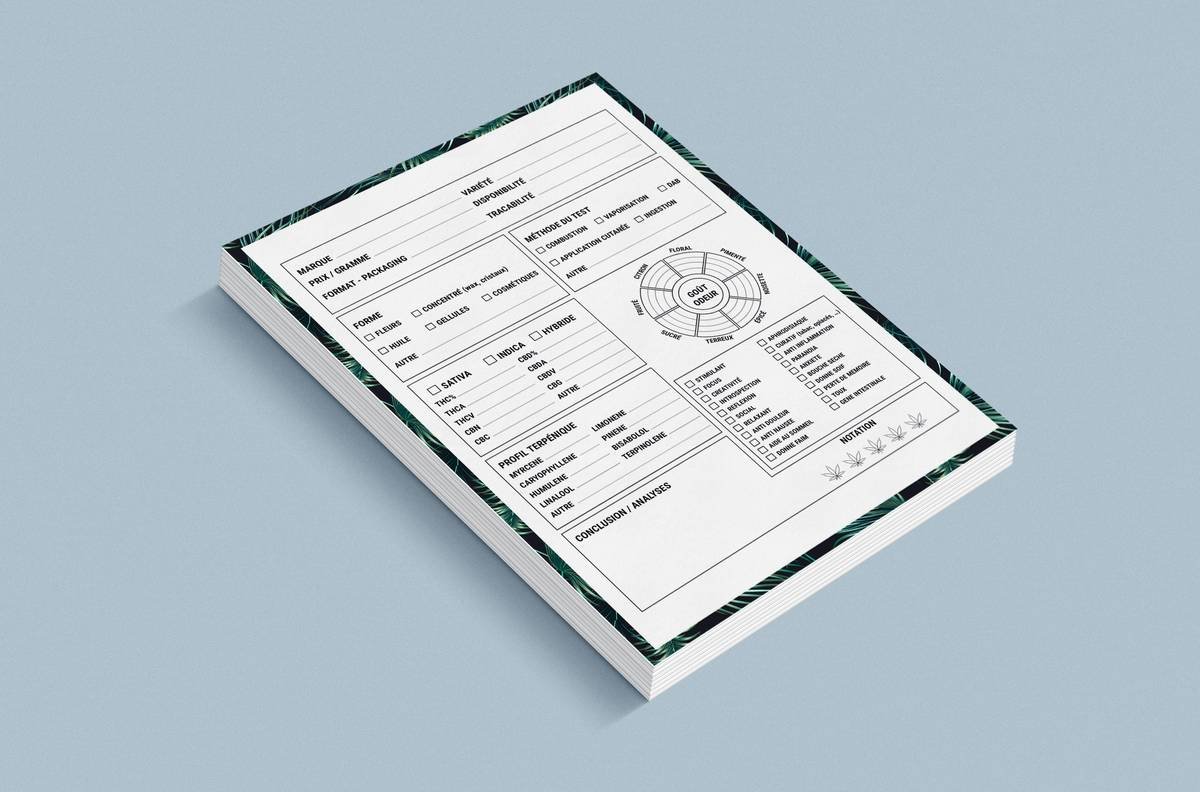
Break it down by category: Is it sweet? (vanilla, tonka). Green? (galbanum, violet leaf). Smoky? (incense, birch tar). Use the fragrance wheel as a visual anchor.
Can I use food analogies?
Yes—but carefully. “Vanilla” is fine; “smells like pumpkin spice latte” isn’t unless it actually contains cinnamon, nutmeg, and coffee notes. Overused food metaphors feel gimmicky.
Why does the same cologne smell different on me vs. my friend?
Your skin’s pH, oiliness, and even diet alter scent chemistry. That’s why sampling on your own skin is non-negotiable before buying.
What words should I avoid?
“Sexy,” “strong,” “for men,” and “long-lasting” say nothing about the scent profile. Focus on materials and evolution instead.
Conclusion
Knowing how to describe cologne scent isn’t about sounding fancy—it’s about owning your grooming choices with precision and confidence. Whether you’re testing a new release, gifting a bottle, or just answering “What are you wearing?”, speaking the language of fragrance turns guesswork into intention.
Start small: next time you spritz, ask yourself, “What hits me first? What lingers? What memory does this evoke?” Write it down. Compare. Refine. Soon, you won’t just wear cologne—you’ll wield it.
And hey—if you still slip up and call something “clean”? No shame. We’ve all been there. Just maybe don’t call oud “spicy.” (It’s leathery. Always.)
Like a Zune playlist, your scent deserves thoughtful curation.